

Where are you stuck?
At Automation Anywhere, I worked through broken automations with customers and trained 25+ engineers. Before explaining the fix, I had to understand what they were trying to do.
PORTFOLIO / WISPR FLOW INDIA GTM
I’m Saran. I’ve worked with customers, built products and made films. I like figuring out what someone needs, then making something they’ll actually use.
A WAY OF WORKING
What’s making this harder than it needs to be? That question has followed me from customer support to Tetr, and into the films I make.
At Automation Anywhere, I worked through broken automations with customers and trained 25+ engineers. Before explaining the fix, I had to understand what they were trying to do.
At Tetr, students kept running into the same problems with finances, logistics and documents. I built Compass so the next step was easier to find.
Making a film means deciding what deserves someone’s time. I bring that same attention to a product demo: show the part that matters, and give people room to respond.
SELECTED PRODUCT WORK
SCROLL TO UNFOLD01 / TETR COMPASS
Screens show fictional demonstration data.
INSIDE COMPASS SELECT A SCREEN TO EXPLORE ↗
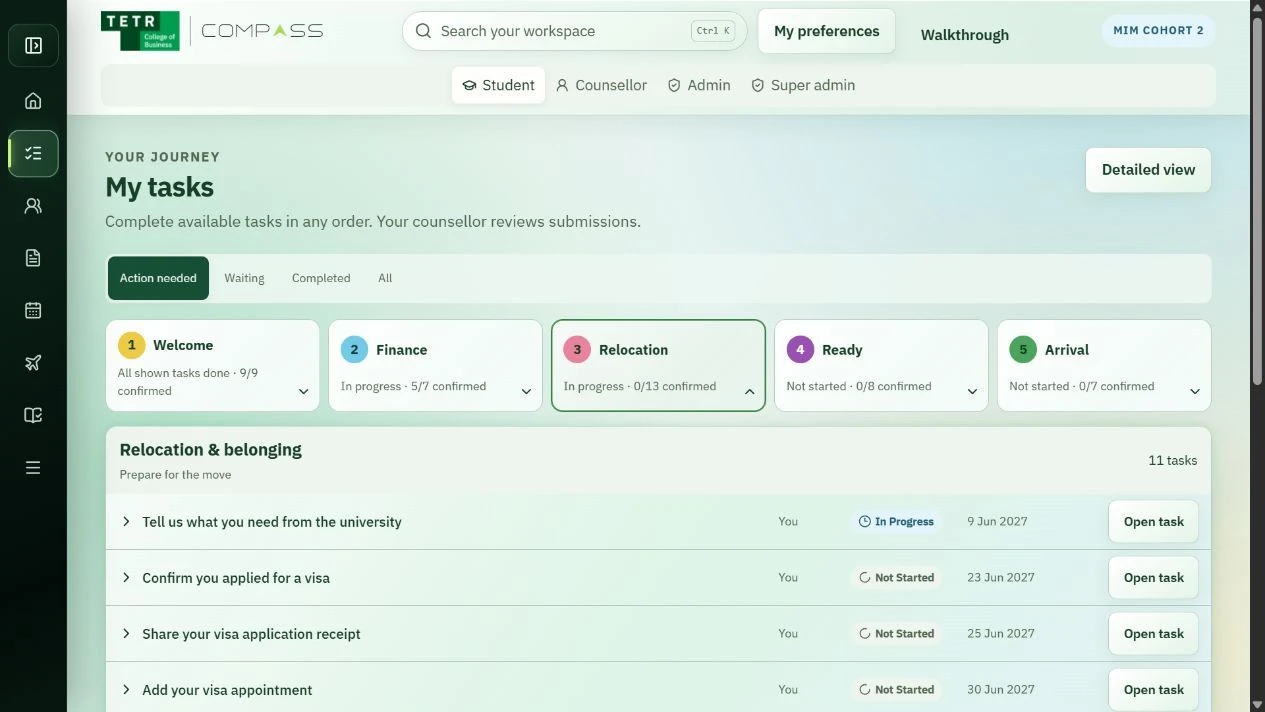 01 / Your next action, in one place Explore ↗
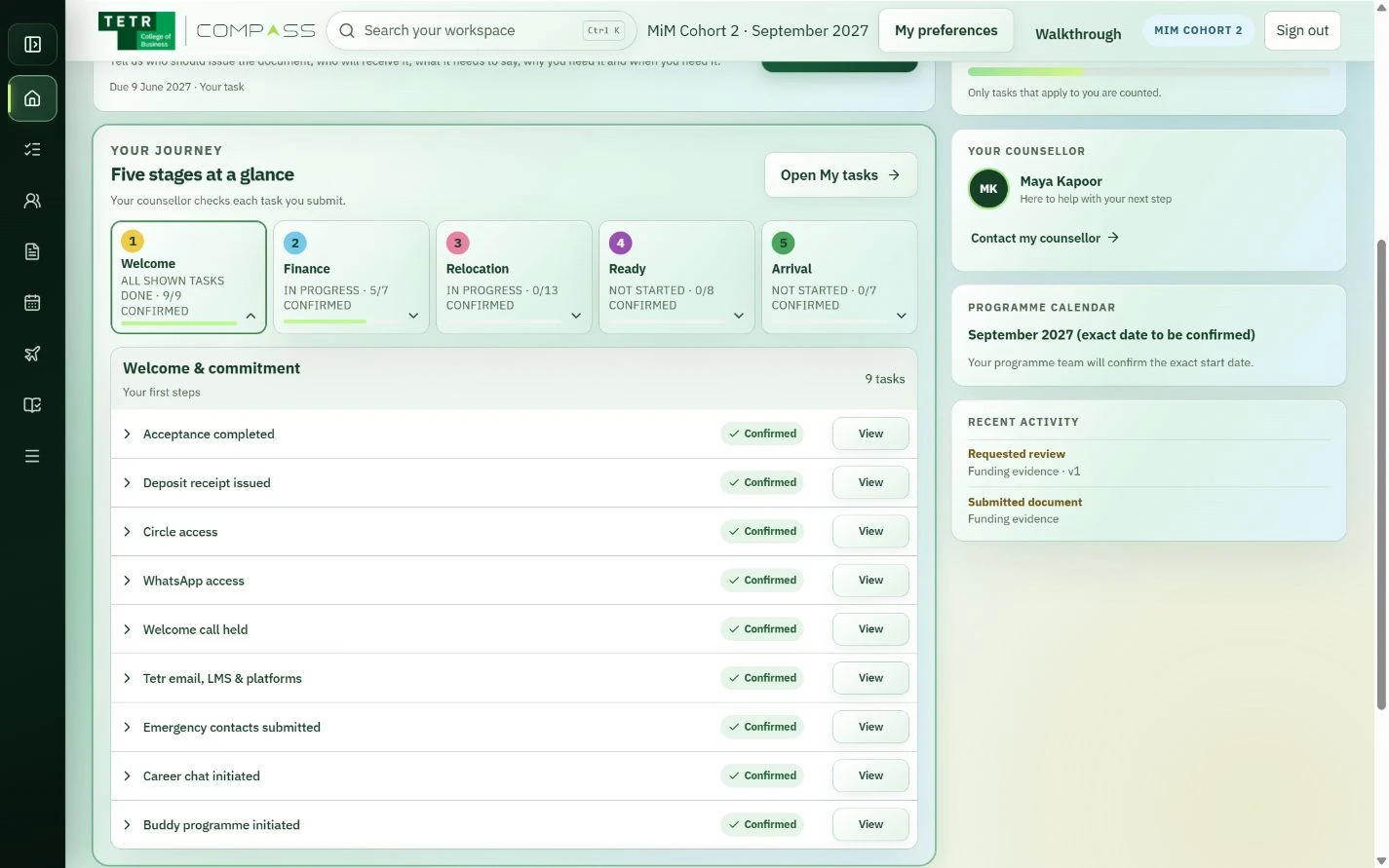 02 / The whole journey, made visible Explore ↗
02 / PHISHSNIPER
Public PhishSniper interface. Product work carried out with the engineering and sales teams.
≈20 min<8 min
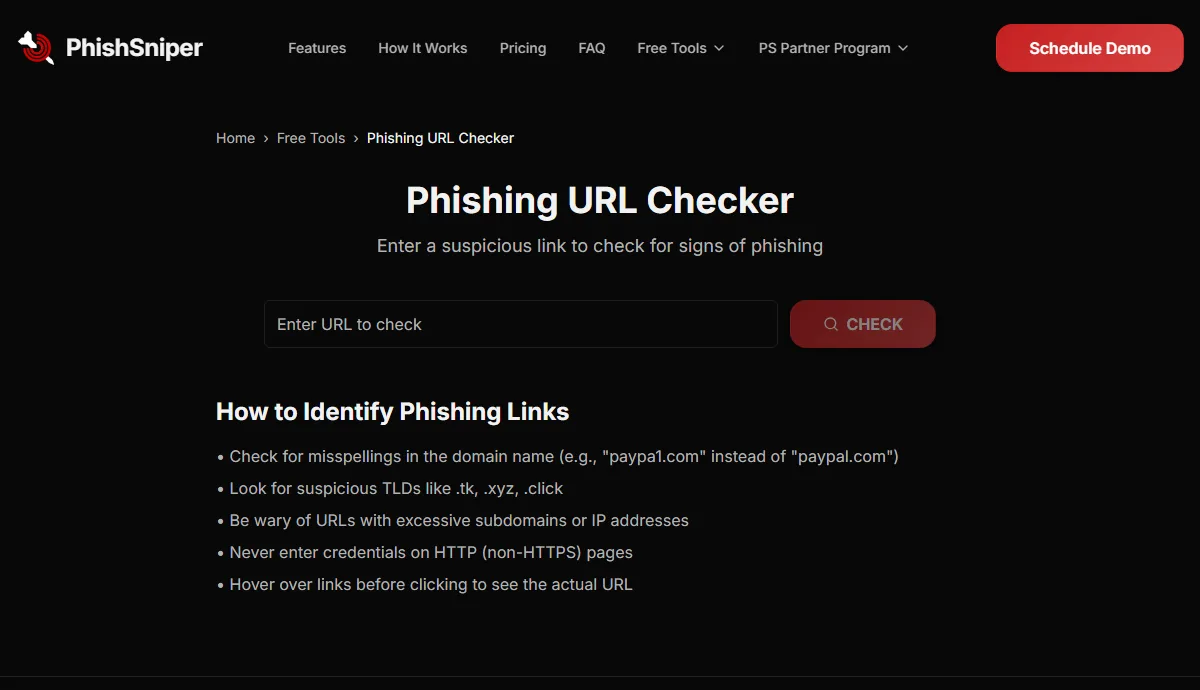 03 / From product demo to useful feedback Explore ↗
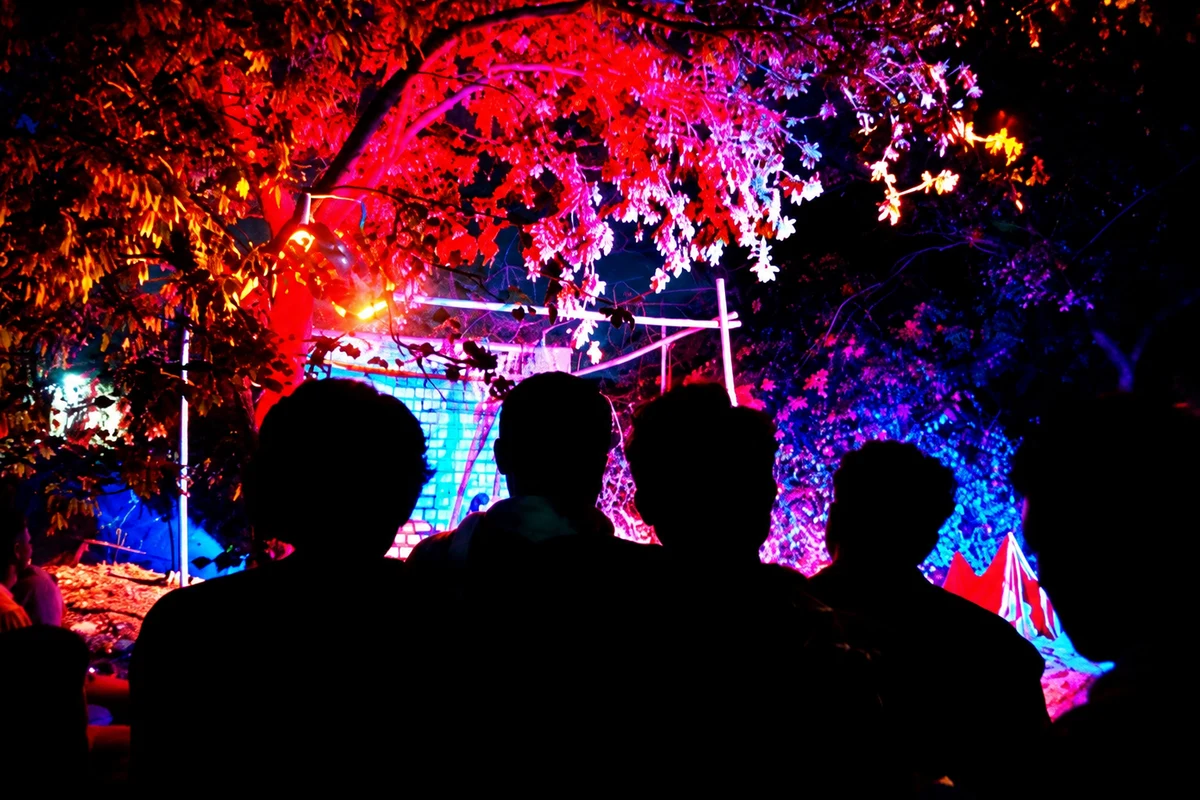
FILM / DIRECTOR & EDITOR
I shot Rehearsing for Life on my phone, following theatre students at Rajasthan University as they rehearsed and staged productions with limited resources. I directed and edited the film. You can watch it here.
Watch the film ↗MY FIRST 30 DAYS / PROPOSED INDIA PILOT
That’s the question I’d spend my first month answering. I’d recruit 30 creators, help them use Flow for something they already need to write, and find out who comes back on their own.
Creators have writing to get through every week. I know that work from making films, so I’d start there. I’d still need to earn the introductions and find the right people.
Pitch two community hosts a useful working session and a co-created recap. Use source-tagged invitations and personal outreach; if hosts decline, recruit directly and record that channel separately.
The unfinished task → spoken input → edits → a usable output. Keep the corrections in. Flow captures the words; the creator supplies the idea and judges the result.
Interview eight creators. Shortlist 60 qualified prospects and approach two creator-community hosts. Make three short demos around a real brief, caption and client reply.
WHAT I SHIPRecruitment list · demo pack · baseline task
Enrol 30 creators across two 15-person sessions. Help each person set up Flow, dictate a task they already need to finish, edit it and use the output. Finish onboarding by day 14.
WHAT I SHIP30-person cohort · first-use log · friction list
Check for a second real task 6–8 days after each person’s first success. Interview five people who stopped. Invite willing repeat users to bring one peer and share an honest before-and-after.
WHAT I SHIPMature repeat-use cohort · five drop-off interviews
Compare activation, return, editing effort and cost by source. Deliver a go / revise / stop recommendation, three consented case stories if available, and the playbook for the next cohort.
WHAT I SHIPDecision memo · channel scorecard · reusable launch kit
24/30
80% of enrolled creators use an edited output for their real task within 24 hours of onboarding.
12+returning creators
At least 12 of the original 30 return on days 6–8 after activation—and at least 50% of everyone activated.
30%median time saved
Target median time saved versus typing on matched tasks, with at least 20 complete paired observations and no loss of usefulness.
₹1,250
Cash ceiling at 12 returners: ₹15,000 ÷ 12. Report actual spend and my hours separately.
These are my starting decision thresholds, not Wispr benchmarks or a forecast. I’d agree them with the team before recruitment and keep them fixed through the pilot.
If all four gates pass, propose a 100-person follow-up through the strongest source. Test whether the result survives beyond a hands-on pilot.
If people finish once but don’t return, fix the recurring task or onboarding before buying more reach. If editing erases the time saved, change the workflow.
If recruitment, measurement coverage or quality falls short, report the gap. Thirty people can guide the next test; they cannot establish India-wide demand.
Freeze the 30-person enrolled cohort by day 14. Log a participant ID, invitation source, device, chosen language, onboarding time and first useful output. Count each person once. Missed first-use check-ins stay in the activation denominator.
Record a distinct, self-initiated task on days 6–8 after activation. Ask about use after the window closes so the check-in does not create the return. No observed return means no success; report non-response separately. Everyone’s window matures by day 23.
Use two comparable tasks per person; alternate which method goes first. Time from starting input to an edited, usable draft. Calculate each person’s saving as (typing time − Flow time) ÷ typing time, then take the median. Report the sample size, range and failed tasks.
Use the same clarity, completeness and ready-to-use checklist for both methods. Require no drop in median usefulness. Track setup time and correction time separately; don’t hide them in the demo.
Proposed cash allocation: ₹6,000 for hosting and community coordination, ₹4,000 for research participation, ₹3,000 for demo production and ₹2,000 contingency. Payment for research is independent of product use or positive feedback.
The ₹15,000 cap excludes my time and any software licences. Confirm those with the team before launch and show them alongside cash cost. If no one returns, report cost per returner as undefined—not zero.
Use an opt-in task diary and check-ins; label self-reported use. Validate with approved product events only if the team provides access. Report English and Hinglish, device and recruitment source separately as diagnostic cuts, not statistically proven winners.
Ask permission before publishing a case story; keep private briefs and raw voice recordings out of the campaign log. Track peer invitations and paid interest as secondary signals, not substitutes for repeat use.
Setup check: verify device support and an internet connection; select Hinglish explicitly when that is the intended output. Product context: Flow for India ↗ · Language setup ↗. Checked 4 November 2026.
WHY I CAN OWN THIS
I’ve done the customer conversations.My PhishSniper work included 20+ enterprise demos. I’d own interviews, onboarding and the weekly feedback loop.
I can build the tools we need.I built the first Compass in two weeks. I’d own the landing page, cohort tracker and the changes that unblock first use.
I can make the story watchable.I directed and edited Rehearsing for Life. I’d own the demos and case stories, then put the results beside them.
A POINT OF VIEW / DICTATED WITH WISPR FLOW
I dictated my starting point for this application with Wispr Flow: in the age of AI, a new way to interact with a device can matter as much as the device itself. That’s why I want to work on Flow. There’s a lot to figure out about how people first try it, and what makes them keep using it.
SARAN VASHISHT / PRODUCT · PEOPLE · FILM